
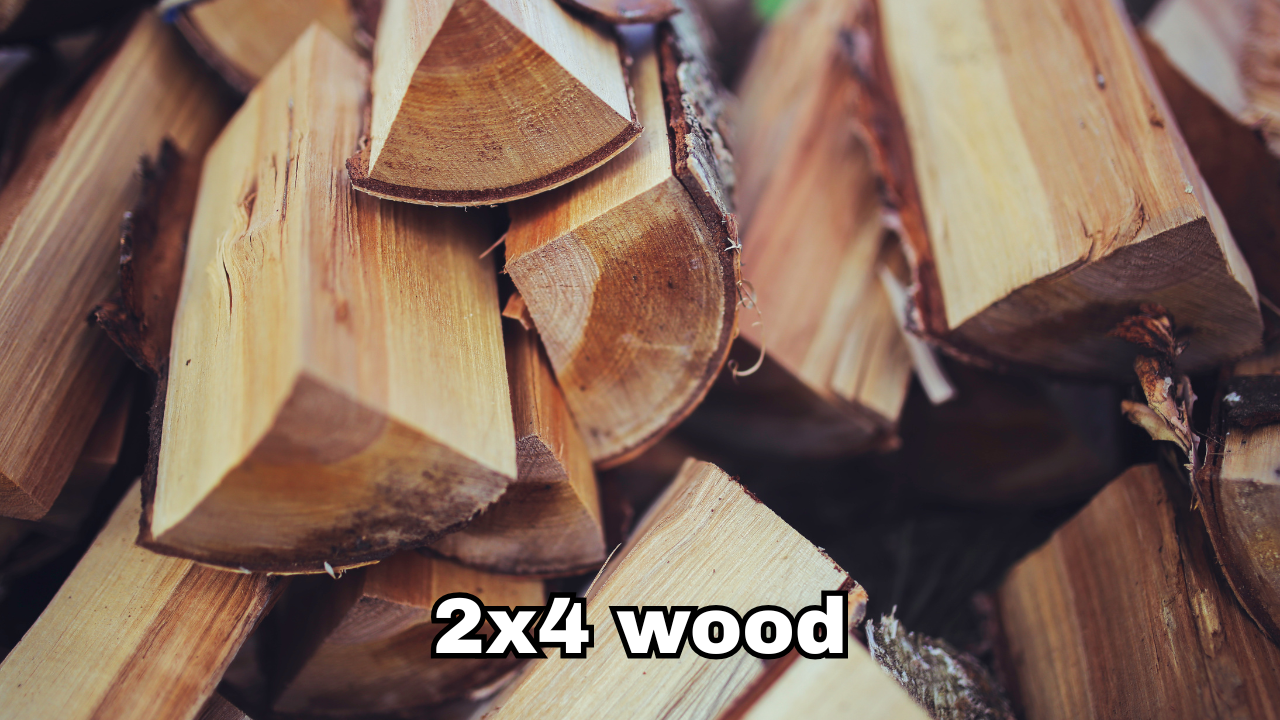
2×4 wood is one of the most familiar and widely trusted materials in modern construction, valued for its balance of strength, affordability, and versatility. From residential framing to creative DIY projects, this lumber size has become a foundation of building culture across the world. Its popularity is not accidental; it comes from decades of proven performance, ease of use, and adaptability across countless applications. Understanding why it remains so important helps builders, homeowners, and designers make smarter long-term decisions.
Understanding standard lumber sizing and real dimensions
Although commonly referred to by its nominal size, this type of framing Lumber is actually smaller once it has been milled and dried. The standard finished dimensions are typically about 1.5 inches thick and 3.5 inches wide. This sizing convention can confuse beginners, but it exists for practical reasons related to drying, planing, and consistency. Once you understand this system, estimating load capacity, spacing, and material requirements becomes much easier.
This standardized sizing allows builders to work efficiently without constant recalculations. Building codes, architectural plans, and engineering formulas are all based on these real-world measurements. As a result, projects move faster and remain structurally reliable from start to finish.
Why 2×4 wood Remains a Builder Favorite
The long-standing popularity of 2×4 wood comes from its ideal balance between strength and manageability. It is strong enough to support walls, ceilings, and structural frames while remaining light enough to handle without specialized equipment. This combination reduces labor strain and speeds up construction timelines, especially in residential projects.
Another key advantage is its compatibility with building codes and standardized design practices. Wall spacing, insulation widths, and drywall panels are all designed around this framing size. Because of that, builders can rely on predictable results, fewer material adjustments, and minimal waste during installation.
Structural performance and load-bearing capability
Despite its relatively modest dimensions, this lumber performs exceptionally well when used correctly. When spaced and fastened according to code, it can support significant vertical and lateral loads. This makes it suitable for both interior and exterior wall framing in many low-rise buildings.
The strength also depends on species, moisture content, and grade. Softwoods such as pine, fir, and spruce are commonly used because they offer excellent strength-to-weight ratios. When installed with proper alignment and fasteners, the framing remains stable for decades, even under daily stress.
Common uses in residential and commercial projects
You will find 2×4 wood in far more places than just wall studs. It is frequently used for roof trusses, floor supports in smaller structures, partition walls, and temporary bracing. In commercial settings, it often appears in non-load-bearing walls, display frames, and interior renovations.
Outside of professional construction, it is also a favorite among DIY enthusiasts. Shelving units, workbenches, garden structures, and furniture frames often rely on this size because it is easy to source and simple to cut. Its adaptability allows creative projects to stay affordable without sacrificing durability.
Selecting the right grade and quality for your project
Not all framing lumber is the same, and choosing the correct grade makes a noticeable difference in performance. Higher grades offer fewer knots, straighter grain, and improved load capacity. These are ideal for visible structures or areas where precision matters.
Lower grades may still be perfectly suitable for hidden framing or temporary applications. However, checking for warping, twisting, and excessive moisture is essential before purchase. Careful selection ensures that your structure remains square, secure, and visually clean long after installation.
Moisture, treatment, and long-term durability
Moisture control plays a crucial role in how framing lumber performs over time. Untreated material is best suited for dry, indoor environments where humidity remains stable. In contrast, pressure-treated options are designed to resist rot, insects, and decay when used in contact with concrete or exposed to the elements.
Using the appropriate type prevents structural damage and costly repairs. When properly sealed, installed, and ventilated, even untreated framing can last for generations without significant degradation.
Sustainability and responsible sourcing
Modern construction places increasing emphasis on environmental responsibility. Lumber used for framing is often sourced from managed forests where trees are replanted to maintain ecological balance. Many suppliers now follow strict sustainability standards, ensuring that forests remain productive for future generations.
Choosing certified products supports responsible forestry and reduces environmental impact. Additionally, wood remains a renewable material with a lower carbon footprint compared to steel or concrete, making it an environmentally sound choice for long-term building projects.
Cost efficiency and overall value
Affordability is another major reason builders continue to rely on 2×4 wood. It offers excellent structural value at a relatively low cost, making it accessible for both large-scale developments and small home improvements. The widespread availability also keeps prices competitive and predictable.
Because it works seamlessly with insulation, drywall, and fasteners, installation costs remain lower than many alternative framing systems. Over time, this efficiency translates into significant savings without compromising safety or quality.
Installation best practices for lasting results
Proper installation ensures that framing performs as intended. Accurate spacing, secure fastening, and straight alignment are essential. Small mistakes during installation can lead to uneven walls, cracking finishes, or reduced load capacity.
Professional builders often take extra time to crown studs, align edges, and verify measurements before closing walls. These practices may seem minor, but they contribute greatly to the longevity and stability of the finished structure.
Final thoughts on building with confidence
When chosen thoughtfully and installed correctly, 2×4 wood delivers a rare combination of strength, flexibility, and cost efficiency. Its long history in construction proves its reliability, while modern treatment and grading standards continue to improve performance. Whether you are planning a new build, a renovation, or a creative project, this framing material remains a dependable choice that supports both practical needs and long-term value.
Also Read: Update Munjoff1445 Mods: Complete Guide to Features, Installation, Safety, and Latest Enhancements
One thought on “2×4 wood: The Ultimate Smart Choice for Strong, Reliable Building”