
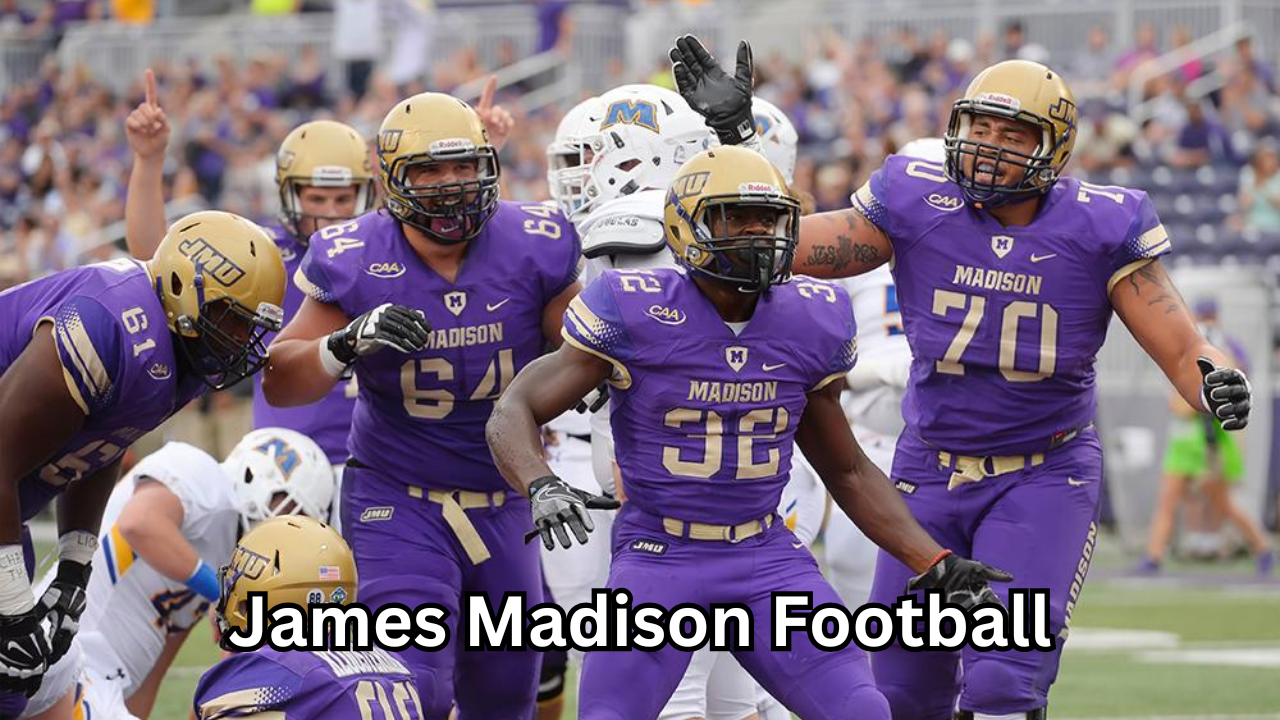
James Madison football has quietly transformed from a respected regional program into one of the most compelling success stories in modern college athletics. Built on discipline, identity, and a relentless competitive mindset, the program now commands national attention for its consistency and fearlessness on the field. What once appeared to be a small-school operation has evolved into a model of sustainable excellence, driven by smart leadership and a culture that refuses to accept limits.
The rise of this program is not the result of a single winning season or a lucky recruiting class. It is the product of long-term planning, community belief, and a commitment to playing fast, physical, and intelligent football. As college football continues to shift with realignment and expanded exposure, this team has proven it belongs in the conversation with far larger and more established names.
The Foundation of a Winning Identity
Every successful Football program begins with identity, and at James Madison, that identity was carefully shaped over decades. Long before national television coverage became common, the team emphasized toughness, execution, and accountability. Players were developed rather than rushed, and coaches prioritized systems over short-term results.
This philosophy created a stable foundation where athletes understood their roles and expectations. Practices were intense but purposeful, focusing on preparation rather than spectacle. Over time, that approach translated into consistent performances and postseason success that drew attention far beyond Virginia.
The program’s commitment to fundamentals also helped it weather coaching changes and roster turnover. Rather than resetting every few years, the system evolved while preserving its core values. That continuity allowed the team to remain competitive regardless of external changes in the college football landscape.
James Madison Football’s Transition to a Bigger Stage
The move to a higher level of competition marked a defining chapter for james madison football. Transitioning divisions is often a painful process filled with growing pains, roster mismatches, and uneven results. However, this program approached the challenge with preparation rather than hesitation.
Coaches adjusted recruiting strategies to target athletes who could compete physically while still fitting the team-first mentality. Strength and conditioning programs were upgraded to meet new demands, and game plans evolved to handle faster, deeper opponents. Instead of surviving, the team competed immediately, sending a clear message that it was ready for the next level.
What impressed analysts most was not just the wins, but the way they were earned. Close games were managed with composure, defensive schemes remained disciplined, and the offense showed creativity without abandoning its identity. This balance demonstrated maturity uncommon in programs making such a leap.
Coaching Philosophy and Leadership Impact
Leadership has played a critical role in sustaining success. Coaches at James Madison understood that culture outlasts talent, and they invested heavily in building trust and accountability within the locker room. Players were encouraged to take ownership of their preparation, creating leaders at every position.
The coaching staff emphasized adaptability, adjusting schemes based on personnel rather than forcing rigid systems. This flexibility allowed the team to remain competitive even when injuries or graduations tested depth. Film study, situational awareness, and mental toughness became defining traits of the program.
Beyond tactics, coaches fostered an environment where players felt valued as people, not just athletes. Academic support, character development, and community involvement were treated as essential parts of the program. That holistic approach strengthened buy-in and helped attract recruits who wanted more than just playing time.
Player Development and Recruiting Strategy
Recruiting at James Madison has never been about chasing headlines. Instead, the staff focused on identifying overlooked talent with high ceilings and strong work ethics. Many players arrived without national attention but left as conference standouts or professional prospects.
Development was prioritized from day one. Freshmen were physically prepared through structured training while learning the mental aspects of the game. By the time players reached their junior and senior seasons, they often displayed a level of polish that rivaled athletes from far larger programs.
This developmental success reinforced the program’s reputation, creating a cycle where recruits trusted the system to help them reach their potential. Over time, that trust became a competitive advantage, allowing the team to compete for athletes who valued growth and opportunity over hype.
Fan Support and Community Influence
A major factor in the program’s rise has been the unwavering support of its fan base. Home games at Bridgeforth Stadium are known for their energy, with fans creating an atmosphere that rivals much larger venues. This environment provides a tangible advantage and reinforces the connection between the team and its community.
The local and alumni support extends beyond game days. Investments in facilities, training resources, and academic support have helped elevate the overall experience for student-athletes. This sense of shared ownership has turned the program into a point of pride for the university and surrounding region.
That connection also enhances recruiting, as prospects see firsthand the passion and stability surrounding the team. Few programs can match the feeling of playing in front of a crowd that genuinely believes in its identity and future.
Tactical Evolution on the Field
On the field, James Madison has become known for its balanced and adaptable approach. Offensively, the team blends physical running concepts with timely passing, keeping defenses off balance without relying on gimmicks. Quarterbacks are trained to manage games efficiently, making smart decisions under pressure.
Defensively, discipline and speed define the unit. Players are coached to read keys, maintain leverage, and tackle with precision. Rather than chasing highlights, the defense focuses on consistency and limiting explosive plays, forcing opponents to earn every yard.
Special teams also receive significant attention, often serving as momentum changers in close contests. This comprehensive focus across all phases of the game reflects a program that understands football as a complete system rather than isolated units.
National Recognition and Media Attention
As results have accumulated, national attention has followed. Television appearances, ranked matchups, and postseason opportunities have introduced james madison football to a broader audience. Analysts frequently point to the program’s structure and culture as reasons for its rapid ascent.
This recognition has not changed the team’s internal mindset. Coaches and players consistently emphasize process over praise, understanding that external validation can be fleeting. By staying grounded, the program avoids the complacency that often accompanies sudden success.
Media exposure has also helped elevate the university’s profile, attracting students and enhancing institutional branding. In this way, the football program serves as both a competitive force and a strategic asset.
Challenges and Future Outlook
Despite its success, the road ahead presents challenges. Increased expectations, tougher schedules, and deeper competition will test the program’s resilience. Maintaining depth and avoiding burnout will require continued investment in development and support systems.
However, the foundation remains strong. With experienced leadership, a clear identity, and a proven development model, james madison football is well positioned to remain competitive in the years ahead. The program’s willingness to evolve without abandoning its core values suggests sustainability rather than a temporary surge.
Looking forward, the focus will be on consistency. Championships and rankings matter, but the true measure of success will be the ability to compete at a high level year after year while continuing to develop athletes on and off the field.
Conclusion: A Program Built to Last
The story of James Madison football is ultimately about vision and execution. By prioritizing culture, development, and adaptability, the program has carved out a place among the most respected names in college football. Its rise was not accidental, nor was it rushed.
As the landscape of the sport continues to change, this program stands as an example of what can be achieved through patience, planning, and belief. Whether measured by wins, player growth, or community impact, the trajectory points upward. The future remains challenging, but the foundation suggests that this success is not only real, but enduring.
Also Read: R9 Haircut: The Ultimate Positive Transformation for Modern Men
One thought on “James Madison Football Dominance: The Powerful Rise of a Fearless Program”
Comments are closed.