
If the internet had a universal laugh, it would look like a yellow face crying tears of joy. The laughing emoji meme has become the digital version of laughing out loud, except louder, faster, and everywhere. From group chats to viral posts, this tiny face carries a massive cultural weight.
So how did a simple emoji turn into a full-blown meme phenomenon? Let’s break it down.
What Is a Laughing Emoji Meme?
A laughing emoji meme is more than just an emoji slapped onto a post. It’s a reaction, a punchline, and sometimes the joke itself.
Origins of the Laughing Emoji
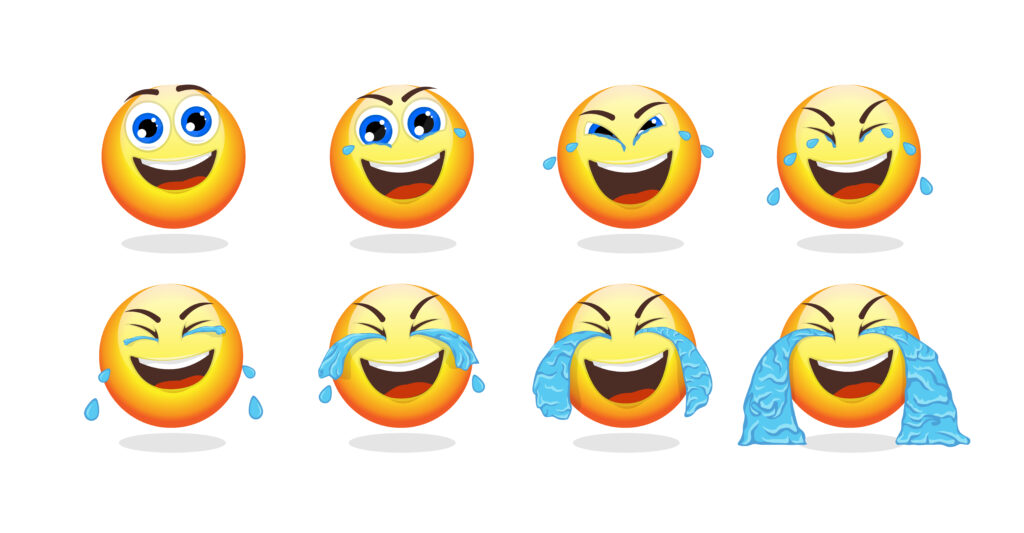
The 😂 emoji, officially called “Face With Tears of Joy,” was introduced to show intense laughter. Think of the kind where you laugh so hard your eyes water. The internet quickly adopted it as the go-to reaction for anything funny.
Difference Between Emoji and Meme Culture
An emoji expresses emotion. A meme adds context, irony, and timing. When the laughing emoji is used repeatedly, exaggerated, or paired with absurd content, it crosses into meme territory.
The Evolution of the Laughing Emoji
From Simple Emoticon to Global Symbol
Before emojis, we had “:-D” and “LOL.” Emojis simplified everything. One symbol replaced entire sentences.
Rise of 😂 Face With Tears of Joy
In 2015, 😂 was named Word of the Year by Oxford Dictionaries. That moment sealed its legacy. It wasn’t just popular. It was dominant.
Why the Laughing Emoji Became a Meme
Relatability and Instant Emotion
No explanation needed. You see 😂 and instantly know the vibe. That speed makes it perfect for meme culture.
Visual Humor vs Text Humor
Text jokes need setup. Visual humor hits instantly. The laughing emoji amplifies that effect, like adding a laugh track to a sitcom.
Popular Types of Laughing Emoji Memes
😂 Overused Reaction Memes
Screenshots of comments filled with 😂😂😂 are memes on their own. The joke becomes how hard someone is laughing, not what they’re laughing at.
🤣 Rolling on the Floor Laughing Memes
This emoji is used when 😂 feels too basic. It’s like saying, “No, seriously, I’m done.”
Skull 💀 + Laughing Emoji Combo Memes
This combo means “I laughed so hard I died.” Dark humor, internet style.
Laughing Emoji Meme in Social Media Culture
Facebook Comment Sections
Facebook thrives on laughing emoji reactions. Sometimes the comment section is funnier than the post.
Instagram Reels and Stories
Creators use laughing emoji overlays to guide reactions. It’s visual laughter.
TikTok Humor Trends
TikTok comments often repeat 😂 until it becomes absurd. That repetition is the meme.
Psychology Behind Laughing Emoji Memes
Why Humans Copy Humor Online
Laughter is contagious. Online, emojis act as social proof. If others are laughing, you’re more likely to join in.
Emotional Shortcuts in Digital Communication
Instead of explaining how funny something is, one emoji does the job.
Laughing Emoji Meme vs LOL Culture
Emojis Replacing Words
“LOL” feels flat now. 😂 feels expressive. Emojis won the battle.
Decline of “LOL” and “ROFL”
Text laughter feels outdated. Emojis feel alive.
How Brands Use Laughing Emoji Memes
Meme Marketing Strategies
Brands use laughing-emoji memes to sound more relatable. When done right, it works.
Risks of Forced Humor
Try too hard, and it comes off as cringe. The internet can smell fake laughter.
Laughing Emoji Meme in Different Generations
Millennials vs Gen Z Emoji Usage
Millennials love 😂. Gen Z sometimes avoids it ironically. Trends shift fast.
When Emojis Feel Outdated
Once something feels “old,” it becomes funny again. That’s the meme cycle.
Controversies Around the Laughing Emoji
Is It Overused?
Yes. That’s part of the joke.
Misinterpretation in Serious Conversations
Using 😂 in the wrong moment can feel dismissive—context matters.
How to Create a Viral Laughing Emoji Meme
Timing and Context
The best memes react to current trends.
Simplicity Over Complexity
One emoji, one idea.
Tools and Apps for Meme Creation
Basic editing apps are enough. The idea matters more than design.
Laughing Emoji Meme Templates Explained
Screenshot Reactions
Raw, unfiltered, relatable.
Caption-Based Formats
A simple caption plus 😂 can carry the whole joke.
SEO and Laughing Emoji Memes
Why People Search for Emoji Memes
People want to express humor visually. Search behavior reflects that.
Using Memes for Engagement
Memes keep users scrolling, sharing, and reacting.
Future of Laughing Emoji Memes
Will Emojis Evolve or Fade?
They’ll evolve. Humor always does.
AI-Generated Humor Trends
AI can create memes, but human timing still wins.
Cultural Impact of Laughing Emoji Memes
Global Humor Without Language
No translation needed. Laughter is universal.
Meme Culture as Modern Folklore
Memes are today’s jokes passed around the digital campfire.
Conclusion
The laughing emoji meme is simple, powerful, and deeply human. It turns humor into a shared experience across cultures and platforms. Whether it’s overused, ironic, or genuinely funny, it remains one of the internet’s strongest emotional signals. As long as people laugh online, the laughing emoji meme isn’t going anywhere.
FAQs
1. Why is the laughing emoji so popular in memes?
Because it instantly communicates humor without explanation.
2. What does 😂 mean in meme culture?
It often exaggerates laughter, sometimes ironically.
3. Is the laughing emoji outdated?
Not really. Its meaning keeps evolving with trends.
4. Can brands safely use laughing emoji memes?
Yes, if the humor feels natural and timely.
5. Will new emojis replace the laughing emoji?
Some may trend, but 😂 is a classic.
Also Read: Venmo Scams: How They Work, Common Types, and How to Stay Safe
One thought on “Laughing Emoji Meme: The Internet’s Favorite Way to Express Humor”
Comments are closed.