
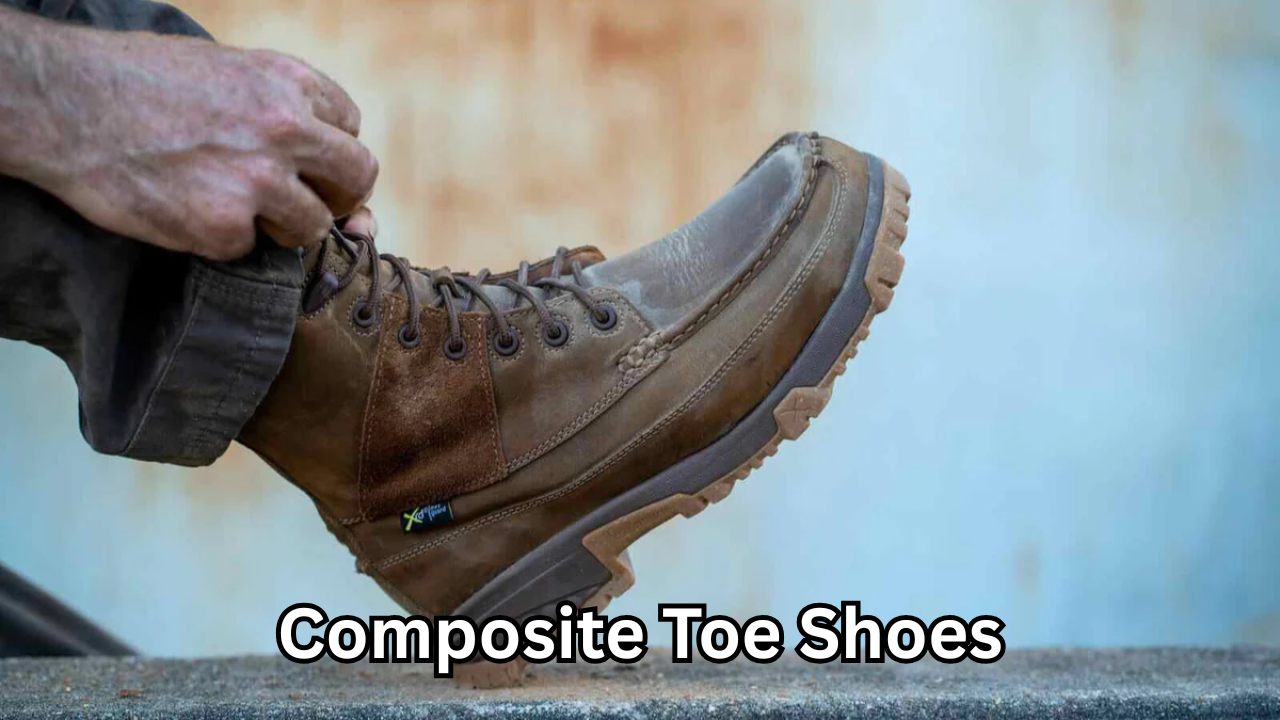
In today’s demanding work environments, safety footwear is no longer just about protection—it’s also about comfort, durability, and all-day performance. Composite toe shoes have quickly become a top choice for workers who need reliable foot protection without the heavy weight of traditional steel toe boots. Designed for modern industries and active professionals, these shoes combine advanced materials with smart engineering to deliver safety without compromise.
Whether you work in construction, manufacturing, logistics, electrical services, or even airport operations, understanding why composite toe shoes are gaining popularity can help you make a smarter footwear investment. This complete guide explains everything you need to know, from benefits and materials to industries that rely on them and tips for choosing the best pair.
What Are Composite Toe Shoes?
Composite toe shoes are safety shoes designed with a non-metal protective toe cap made from materials such as carbon fiber, Kevlar, fiberglass, or reinforced plastic. Unlike steel-toe footwear, composite-toe protection does not contain metal, making these shoes significantly lighter while still meeting safety standards.
The main purpose of composite toe shoes is to protect the toes from impact, compression, and workplace hazards while offering improved comfort and flexibility. Because they are metal-free, they are also ideal for environments where metal detectors are used or where electrical hazards are present.
Why Composite Toe Shoes Are Becoming So Popular
The rise in demand for composite toe shoes is driven by changing workplace needs. Workers today expect safety gear that not only protects them but also supports long working hours without causing fatigue. Composite-toe footwear meets this demand perfectly.
Lightweight construction reduces strain on the legs and feet, helping workers stay productive throughout the day. The materials used in these shoes also provide better insulation against extreme temperatures, making them suitable for both hot and cold conditions. As workplaces modernize, lightweight and ergonomic safety solutions are becoming the new standard.
Composite Toe vs Steel Toe: Key Differences
One of the most common questions workers ask is how composite-toe shoes compare to steel-toe options. While both are designed for protection, the experience of wearing them is quite different.
Composite toe shoes are noticeably lighter, which makes walking, climbing, and standing easier over long shifts. Steel-toe footwear, although extremely strong, can feel heavy and restrictive after extended use. Additionally, composite materials do not conduct heat or cold, whereas steel can become extremely hot or cold depending on the environment.
Another major difference is electrical safety. Composite-toe shoes are non-conductive, making them safer for electricians and other workers exposed to electrical hazards. Steel-toe footwear may conduct electricity if not properly insulated.
Key Benefits of Composite Toe Shoes
Composite toe shoes offer a wide range of benefits that go beyond basic safety. These advantages are the reason many professionals now prefer them over traditional alternatives.
One major benefit is comfort. The lighter weight reduces muscle fatigue, especially for workers who walk or stand for long hours. Many composite toe designs also include cushioned insoles and flexible midsoles, improving overall foot support.
Another advantage is airport-friendly design. Since composite toe shoes contain no metal, they can pass through metal detectors without triggering alarms, making them ideal for airport staff and frequent travelers who work in secure facilities.
Durability is also a strong point. Advanced composite materials are resistant to corrosion, cracking, and temperature changes, allowing the shoes to perform consistently in harsh environments.
Industries That Commonly Use Composite Toe Shoes
Composite toe shoes are used across a wide range of industries due to their versatility and safety features. In construction, they protect workers from falling objects while allowing easy movement on job sites. In manufacturing and warehousing, they help prevent injuries from heavy equipment and dropped materials.
Electrical and utility workers rely on composite toe shoes for their non-conductive properties, reducing the risk of electrical shock. Airport and security personnel prefer them because they do not interfere with metal detection systems.
Healthcare and laboratory professionals also benefit from lightweight composite-toe footwear when working in environments that require occasional protection but not heavy boots.
Safety Standards and Certifications
High-quality composite toe shoes are tested and certified to meet strict safety standards. In many regions, these shoes comply with ASTM or ISO safety standards, ensuring reliable protection against impact and compression hazards.
When purchasing composite-toe shoes, ensure they meet the safety requirements for your job. Certified footwear gives peace of mind and ensures compliance with workplace safety policies.
Comfort Features That Matter
Comfort is a major reason workers switch to composite toe shoes. Many models include advanced cushioning systems that absorb shock and reduce pressure on the heels and arches. Breathable linings help manage moisture and keep feet dry throughout the day.
Flexible outsoles allow natural movement, reducing stiffness and discomfort. Some composite toe shoes also feature ergonomic designs that support proper posture and balance, helping prevent long-term foot and back problems.
Durability and Long-Term Value
Although composite toe shoes may cost more upfront than basic steel-toe options, they often provide better long-term value. Their resistance to corrosion and temperature damage means they last longer in challenging environments.
Because they are lighter and more comfortable, workers are also less likely to replace them frequently due to discomfort or fatigue. Over time, investing in quality composite toe footwear can save money while improving workplace safety and productivity.
How to Choose the Right Composite Toe Shoes
Choosing the right composite toe shoes depends on your specific work environment and needs. Start by considering the type of hazards you face, such as falling objects, electrical risks, or slippery surfaces.
Look for shoes with slip-resistant outsoles if you work on wet or oily floors. If you spend long hours on your feet, prioritize cushioning and arch support. Breathability is important in hot environments, while insulation matters in cold conditions.
Proper fit is essential. Composite toe shoes should fit snugly without pinching, allowing enough room for toe movement while still providing secure protection.
Maintenance and Care Tips
To extend the life of your composite toe shoes, regular maintenance is important. Clean them after each shift to remove dirt, chemicals, or debris that could weaken materials over time. Allow them to air dry naturally and avoid excessive heat.
Inspect the shoes regularly for signs of wear, especially around the toe cap and sole. Replacing worn footwear promptly helps maintain safety standards and prevents injuries.
Are Composite Toe Shoes Right for You?
Composite toe shoes are an excellent choice for professionals who need dependable safety footwear without sacrificing comfort. They are especially suitable for workers who move frequently, work long shifts, or operate in environments with electrical or temperature hazards.
While steel-toe footwear still has its place in extremely heavy-duty applications, composite-toe shoes offer a balanced solution for most modern workplaces. Their lightweight design, advanced materials, and versatile performance make them a smart investment for both safety and comfort.
Final Thoughts on Composite Toe Shoes
Workplace safety is evolving, and footwear is no exception. Composite toe shoes represent the next generation of protective footwear, combining innovation, comfort, and reliability in one design. As industries continue to prioritize worker well-being and efficiency, these shoes are becoming the preferred choice across many sectors.
By choosing the right pair and properly maintaining them, you can enjoy long-lasting protection, reduced fatigue, and improved performance on the job. For anyone seeking modern safety footwear that meets today’s demanding standards, composite toe shoes are a clear and practical solution.
Also Read: Kia K4 vs K5: A Detailed Comparison to Help You Choose the Right Sedan