
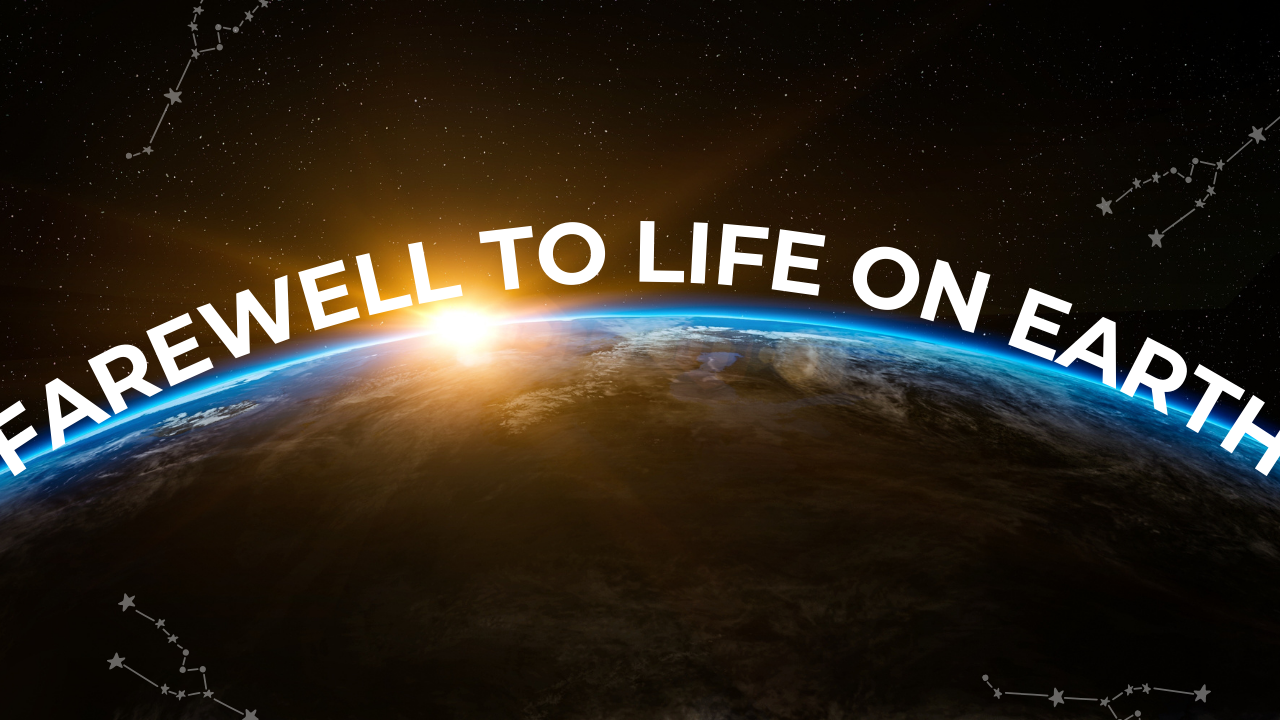
The Meaning Behind Farewell to Life on Earth
The phrase farewell to life on earth carries a depth that goes far beyond simple words. It reflects humanity’s ultimate contemplation of existence, survival, and the fragile relationship between humans and the planet they call home. This idea can symbolize an ending, a transformation, or even a warning. In literature, philosophy, and modern discussions, it often appears when people question the future of civilization and the long-term fate of Earth.
For many, farewell to life on earth is not about a single event but about a gradual realization that our actions shape the destiny of the planet. Climate change, environmental destruction, technological advancement, and social evolution all contribute to this collective reflection. The phrase invites readers to pause and think deeply about what life on Earth truly means and whether humanity is prepared to protect it.
Why Farewell to Life on Earth Resonates in Modern Times
In today’s world, farewell to life on earth resonates strongly because global challenges are no longer distant concepts. Rising temperatures, melting ice caps, pollution, and the rapid depletion of natural resources have become daily news. These realities force humanity to confront uncomfortable questions about sustainability and responsibility.
People are increasingly aware that the planet has limits. This awareness has transformed farewell to life on earth into a symbolic expression of concern rather than a literal goodbye. It reflects fear, urgency, and the desire for change. The phrase has gained relevance in discussions about environmental activism, future technologies, and the survival of life as we know it.
The Philosophical Perspective of Farewell to Life on Earth
From a philosophical standpoint, farewell to life on earth touches on existential themes. Philosophers have long questioned humanity’s place in the universe and the impermanence of life. The idea of saying goodbye to Earth challenges the belief that humans are permanent residents of this planet.
This perspective encourages introspection. It pushes individuals to think about legacy, purpose, and responsibility. If Earth were no longer hospitable, what would humanity leave behind? Farewell to life on earth becomes a mirror reflecting both human achievements and failures, reminding us that progress without balance can lead to irreversible consequences.
Environmental Factors Driving the Farewell to Life on Earth Narrative
Environmental degradation plays a central role in shaping the farewell to life on earth narrative. Deforestation, ocean pollution, and biodiversity loss are not isolated problems. They are interconnected issues that threaten ecosystems and human survival alike.
As natural habitats disappear, countless species face extinction. This loss affects the balance of life on Earth, including humans. The phrase farewell to life on earth captures this growing anxiety, emphasizing that without immediate action, the damage may become permanent. It serves as a powerful reminder that environmental care is not optional but essential for survival.
Technological Advancement and Its Role in Farewell to Life on Earth
Technology has always been a double-edged sword. On one hand, it offers solutions to global problems. On the other, unchecked technological growth can accelerate destruction. Farewell to life on earth often appears in discussions about artificial intelligence, space exploration, and automation.
Some believe technology may provide an escape route if Earth becomes uninhabitable. Space colonization and interplanetary travel are frequently discussed as potential futures. In this context, farewell to life on earth symbolizes humanity’s readiness to leave its birthplace in search of survival elsewhere. However, this idea also raises ethical concerns about abandoning Earth instead of fixing it.
Farewell to Life on Earth in Literature and Art
Writers and artists have long explored farewell to life on earth as a theme of loss, transformation, and hope. In novels, poems, and films, it often represents the end of an era or a turning point for humanity. These creative works allow audiences to emotionally connect with abstract ideas.
Through storytelling, farewell to life on earth becomes personal. It is no longer just about planets and ecosystems but about families, memories, and identity. Art has the power to make people feel the consequences of their actions, inspiring reflection and change in ways that facts and statistics cannot.
Psychological Impact of Contemplating Farewell to Life on Earth
Thinking about farewell to life on earth can have a profound psychological impact. For some, it triggers fear and anxiety about the future. For others, it encourages mindfulness and appreciation for the present moment. This dual effect makes the concept both unsettling and motivating.
When people confront the possibility of loss, they often reevaluate priorities. Relationships, nature, and personal well-being gain new importance. Farewell to life on earth can therefore act as a catalyst for positive behavioral change, encouraging individuals to live more consciously and responsibly.
Humanity’s Responsibility in Preventing Farewell to Life on Earth
Despite its ominous tone, farewell to life on earth does not have to be inevitable. Humanity holds the power to change its trajectory. Sustainable practices, renewable energy, and environmental conservation can significantly reduce damage to the planet.
Collective responsibility is key. Governments, corporations, and individuals must work together to protect natural resources. Farewell to life on earth should serve as a warning rather than a conclusion. By acknowledging the problem and taking action, humanity can transform this narrative into one of survival and renewal.
Cultural Interpretations of Farewell to Life on Earth
Different cultures interpret farewell to life on earth in unique ways. Some see it as a spiritual transition, while others view it as a scientific or environmental challenge. These interpretations shape how societies respond to global threats.
In many traditions, Earth is considered sacred. Saying farewell to life on earth, in this sense, represents a deep moral failure. This cultural perspective reinforces the idea that protecting the planet is not just a practical responsibility but a moral obligation passed down through generations.
Hope and Renewal Beyond Farewell to Life on Earth
Although farewell to life on earth sounds final, it also carries the possibility of renewal. History has shown that humanity can adapt and overcome challenges when motivated by necessity. Innovation, education, and awareness have the power to reverse damage and restore balance.
Hope lies in action. Small changes, when multiplied across the globe, can create meaningful impact. By choosing sustainability and compassion, humanity can rewrite the story implied by farewell to life on earth. Instead of an ending, it can become a turning point toward a healthier planet.
The Future Outlook of Farewell to Life on Earth
The future of farewell to life on earth depends on decisions made today. Will humanity continue on a path of consumption and neglect, or will it embrace responsibility and stewardship? The answer will define the next chapter of life on this planet.
Rather than fearing farewell to life on earth, people can use it as motivation. It is a call to awareness, urging humanity to protect what remains and rebuild what has been lost. The future is not fixed, and the power to shape it lies in collective action.
Final Thoughts on Farewell to Life on Earth
Farewell to life on earth is more than a phrase. It is a reflection of humanity’s fears, hopes, and responsibilities. It challenges individuals and societies to think deeply about their relationship with the planet and each other.
By understanding its meaning and implications, people can move from despair to determination. Farewell to life on earth does not have to mark the end. With conscious effort and global cooperation, it can become a reminder of what is at stake and why protecting life on Earth matters more than ever.
One thought on “Farewell to Life on Earth: Understanding Humanity’s Most Profound Reflection”