
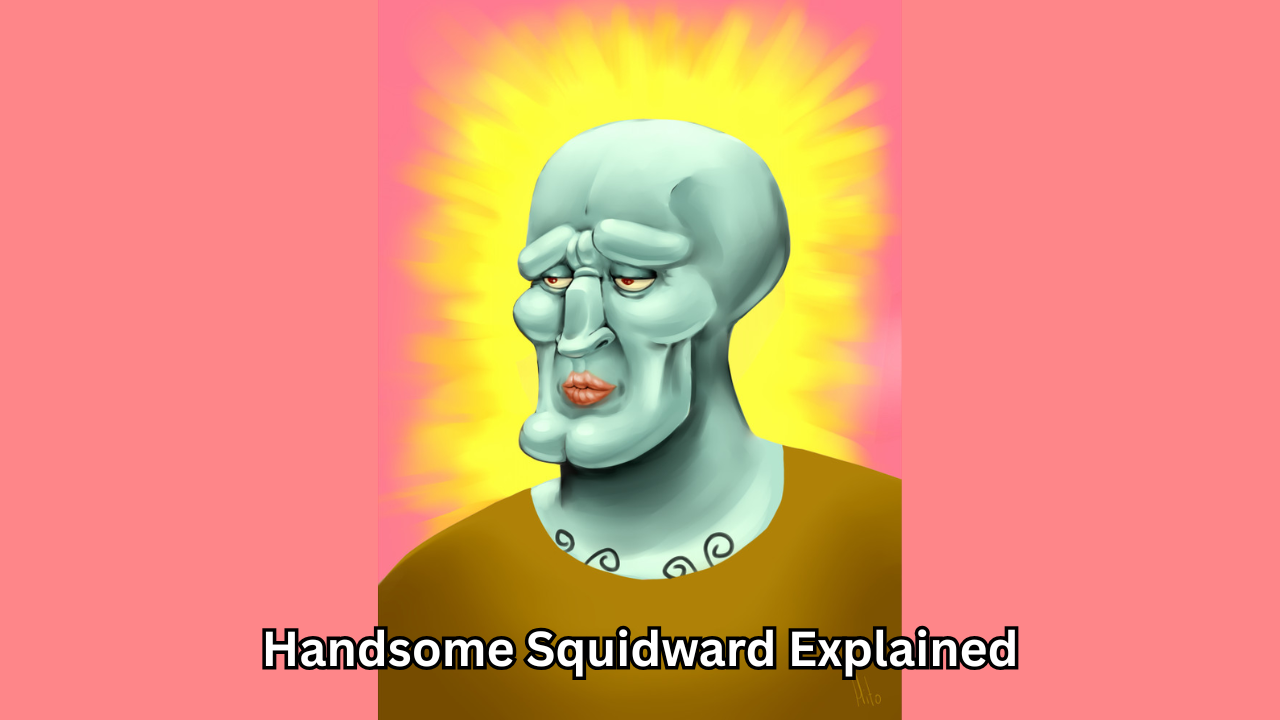
The phrase “handsome squidward” has become a familiar part of internet culture, symbolising a humorous yet oddly fascinating moment when animation, irony, and online creativity intersect. Originating from a brief but memorable scene in SpongeBob SquarePants, this exaggeratedly attractive version of Squidward quickly broke out of the show and became a widely recognised meme. Today, it represents more than a joke—it reflects how audiences reshape pop culture through humour, exaggeration, and shared digital experiences.
The Animated Origins Behind the Meme
To understand why this character variation resonated so strongly, it helps to revisit its animated roots. In the episode “The Two Faces of Squidward,” a comical accident transforms the usually grumpy character into a hyper-idealised version of himself. The visual contrast between Squidward’s normal appearance and this sudden transformation is intentionally absurd, designed to provoke laughter rather than admiration.
What made the moment stand out was its brevity and clarity. The exaggerated Jawline, flawless symmetry, and dramatic confidence were so over-the-top that viewers immediately recognised the satire. This clarity made the image perfect for reuse, remixing, and reinterpretation across online platforms.
Why Handsome Squidward Became a Viral Icon
The rise of Handsome Squidward as a meme wasn’t accidental; it followed a familiar Internet pattern where exaggeration meets relatability. Audiences enjoy humour that pokes fun at beauty standards while still being visually striking. This character did both at once.
Several factors contributed to its viral success:
- The image is instantly recognisable, even without context
- It exaggerates real-world ideals of attractiveness
- It fits easily into reaction memes and captions
- It balances irony with visual appeal
Because of these qualities, the meme spread rapidly across forums, social media platforms, and video compilations, achieving longevity that many short-lived jokes never attain.

The Role of Irony in Online Humour
Irony plays a central role in why this meme continues to resonate. The character is intentionally “too perfect,” which turns admiration into comedy. Viewers aren’t laughing because they aspire to look like him; they’re laughing because the image exposes the unrealistic nature of beauty ideals.
This layered humour appeals to a broad audience. Casual viewers enjoy the surface-level joke, while more engaged fans appreciate the underlying commentary on animation tropes and cultural standards. That dual appeal is a key reason the meme remains relevant years after its debut.
Meme Culture and Visual Storytelling
Visual memes succeed when they tell a story in a single frame, and this exaggerated Squidward does precisely that. His expression communicates confidence, vanity, and absurdity all at once. No dialogue is required, which allows the image to cross language barriers easily.
In meme culture, simplicity matters. A single still image that can support countless captions becomes a flexible storytelling tool. This adaptability ensures continued use across different trends, from sarcastic compliments to playful self-comparisons.
How the Meme Influenced Fan Creativity
Fan communities played a significant role in expanding the meme beyond its original form. Artists created illustrations, animators produced parody videos, and editors inserted the character into unrelated scenes. Each reinterpretation reinforced its place in digital culture.
Importantly, these creative works often maintain a light, positive tone. Instead of mocking individuals, they exaggerate fictional traits, keeping the humour safe, inclusive, and widely shareable. This positivity contributes to the meme’s longevity and advertiser-friendly reputation.
Internet Nostalgia and Staying Power
Nostalgia is a powerful force online, especially when tied to long-running shows like SpongeBob SquarePants. Viewers who grew up watching the series are now active creators and sharers of content. Revisiting familiar characters through a humorous lens creates a comforting sense of shared memory.
This nostalgic connection helps the meme resurface regularly without feeling stale. Each resurgence feels like a friendly reminder rather than recycled content, which keeps engagement high across different age groups.
Commercial and Marketing References
Brands and marketers have occasionally referenced the meme indirectly, borrowing its exaggerated confidence or visual style without directly imitating it. This subtle influence demonstrates how deeply embedded the concept has become in visual language.
When marketers reference familiar internet humour responsibly, it signals cultural awareness. The exaggerated Squidward archetype represents confidence taken to an extreme, a concept that can be adapted to many lighthearted campaigns without risking controversy.
Balancing Humour With Cultural Sensitivity
One reason the meme remains safe for long-term indexing and monetisation is its lack of harmful intent. It doesn’t target real people, promote negativity, or rely on shock value. Instead, it uses fictional exaggeration and self-aware humour.
This balance aligns well with modern content standards that prioritise inclusivity and brand safety. As online platforms become more selective, memes that maintain a positive tone are more likely to endure.
Why the Meme Still Matters Today
Even years after its introduction, the meme continues to appear in new formats. Its staying power highlights how simple visual humour can outlast trend-driven content. While platforms evolve, the core appeal of exaggerated confidence and irony remains constant.
The continued relevance also speaks to the strength of the original animation. A well-crafted scene, even a brief one, can inspire years of creative expression when it resonates with audiences on multiple levels.
Final Thoughts on a Cultural Favourite
The enduring popularity of Handsome Squidward shows how a single animated moment can become a shared cultural reference. Through irony, nostalgia, and creative freedom, it has become more than a joke—it’s a symbol of how internet communities reinterpret media in playful, meaningful ways.
As long as audiences enjoy humour that blends exaggeration with familiarity, this iconic image will continue to resurface, reminding us that sometimes the most unexpected moments leave the strongest impressions.
Also Read: Toyota Camry Dominant Evolution: A Powerful Positive Legacy of Reliability
One thought on “Handsome Squidward Explained: The Surprisingly Positive Cultural Phenomenon”
Comments are closed.