
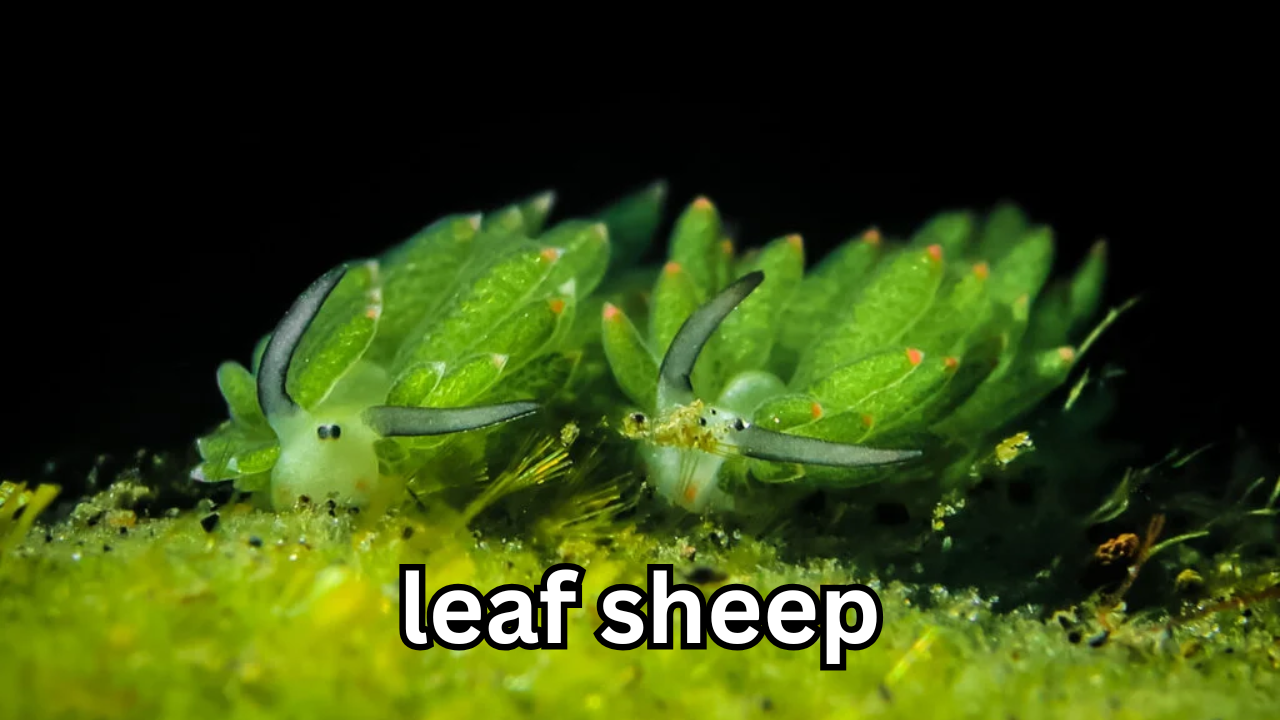
The leaf sheep stands out as a captivating marine species that uniquely bridges the plant and animal kingdoms. Its distinctive appearance and rare biological features have drawn the attention of both scientists and the public, highlighting how even the smallest ocean creatures can challenge our understanding of nature.
What Makes This Sea Slug So Unique
At first glance, this creature looks like a miniature sheep made of leaves. Its soft body is covered with leaf-shaped structures called cerata (finger-like appendages that increase surface area and are often used for breathing and digestion) that resemble fresh green foliage. These cerata are not just decorative; they play a critical role in survival. Unlike most marine animals, this slug has developed a rare ability to retain functional chloroplasts (structures within plant cells responsible for photosynthesis) from the algae it eats, allowing it to harness energy from sunlight.
This process, known as kleptoplasty (the retention and use of functional chloroplasts from consumed algae within animal cells), is extremely uncommon in the animal kingdom. It allows the slug to supplement its diet by producing energy in a way similar to plants. While it still feeds normally, this adaptation gives it a unique advantage in nutrient-poor environments and has made it a subject of ongoing biological research.
Leaf Sheep and Its Natural Habitat
The leaf sheep is typically found in warm, shallow waters of the Indo-Pacific region, particularly around Japan, Indonesia, and the Philippines. It thrives in coastal areas where green algae are abundant, as these algae are essential for both nutrition and maintaining its photosynthetic ability.
Because it lives in relatively shallow water, it is occasionally spotted by divers and underwater photographers. However, its small size—usually less than 1 inch—often means it goes unnoticed unless someone knows exactly what to look for. Its habitat preference also makes it sensitive to environmental changes, especially water pollution and rising sea temperatures.
Diet, Feeding Behavior, and Survival Strategy
This sea slug feeds primarily on specific types of green algae. When it eats, it stores the algae’s chloroplasts inside its cerata, where they remain functional for days or even weeks. Sunlight helps generate additional energy during this period, reducing the need for constant feeding.
This survival strategy is especially useful during periods of food scarcity. It does not mean the animal lives entirely on sunlight, but it does provide a supplemental energy source that few animals possess. This balance between traditional feeding and photosynthesis is one reason scientists find this organism so intriguing.
Appearance, Behavior, and Defense Mechanisms
The leaf sheep’s green coloring provides camouflage against predators. When resting on algae-covered rocks or coral, it is nearly invisible.
It is slow-moving and non-aggressive, relying on concealment and chemical defenses. Like other sea slugs, it produces unpleasant compounds that deter predators. This strategy has proven effective.

Why Scientists Are So Interested
Marine biologists study this species to understand kleptoplasty and its implications. This ability to maintain plant organelles challenges biological classifications and raises questions about evolution, cell compatibility, and energy efficiency.
Research on this slug may also provide insights into sustainable microscopic energy use. While it won’t enable human photosynthesis, understanding how chloroplasts remain stable in animal cells could inspire new biotechnology and medicine.
Role in Marine Ecosystems
Though small, the leaf sheep plays a role in its ecosystem. Eating algae helps control algal growth, benefiting coral reefs and seagrass beds. Its presence signals a healthy marine environment.
It is also prey for predators that tolerate its chemical defenses, making it part of the food web rather than an isolated novelty.
Internet Popularity vs. Scientific Reality
The rise of social media has turned this tiny sea slug into an internet sensation. Photos and videos often focus on its cute, sheep-like face and leaf-like body, sometimes oversimplifying or exaggerating its abilities. While it can use sunlight to produce energy, it is not a fully plant-powered animal.
Knowing the science is important. Appreciating the leaf sheep as a remarkable evolutionary adaptation adds depth to its popularity and helps prevent misinformation.
Conservation and Environmental Concerns
Currently, this species is not classified as endangered, but that does not mean it is free from risk. Coastal pollution, coral reef degradation, and climate change all pose long-term threats to its habitat. Because it relies on specific algae, disruptions to local ecosystems can directly affect its survival.
Protecting marine biodiversity benefits not only iconic species like whales and turtles but also small, specialized organisms such as this sea slug. Conservation efforts aimed at reef systems and ocean pollution reduction help support its continued existence.
How the Leaf Sheep Inspires Curiosity and Learning
The leaf sheep has become a gateway species for many people new to marine biology. Its unusual appearance encourages curiosity, leading readers and students to explore topics such as symbiosis, photosynthesis, and evolutionary biology. In educational contexts, it serves as an excellent example of how life adapts creatively to environmental challenges.
This combination of visual appeal and scientific value makes it valuable for science communication. An emotional connection with a species encourages concern for environmental issues.
Final Thoughts: A Small Creature with a Big Impact
The leaf sheep may be tiny, but it exemplifies how a single species can enhance our scientific understanding and public appreciation of marine life. Its distinct biology and ecological role illustrate the ongoing marvels of adaptation beneath the ocean’s surface, emphasizing why studying such creatures truly matters.
As oceans continue to face pressure from human activity, creatures like this remind us why protecting marine environments matters. They are living proof that nature’s most extraordinary innovations often come in the smallest packages.
Also Read: Sea Bunny: An Astonishingly Adorable Wonder of Marine Life
One thought on “Leaf Sheep: The Fascinating and Adorable Sea Slug You’ll Love”
Comments are closed.