
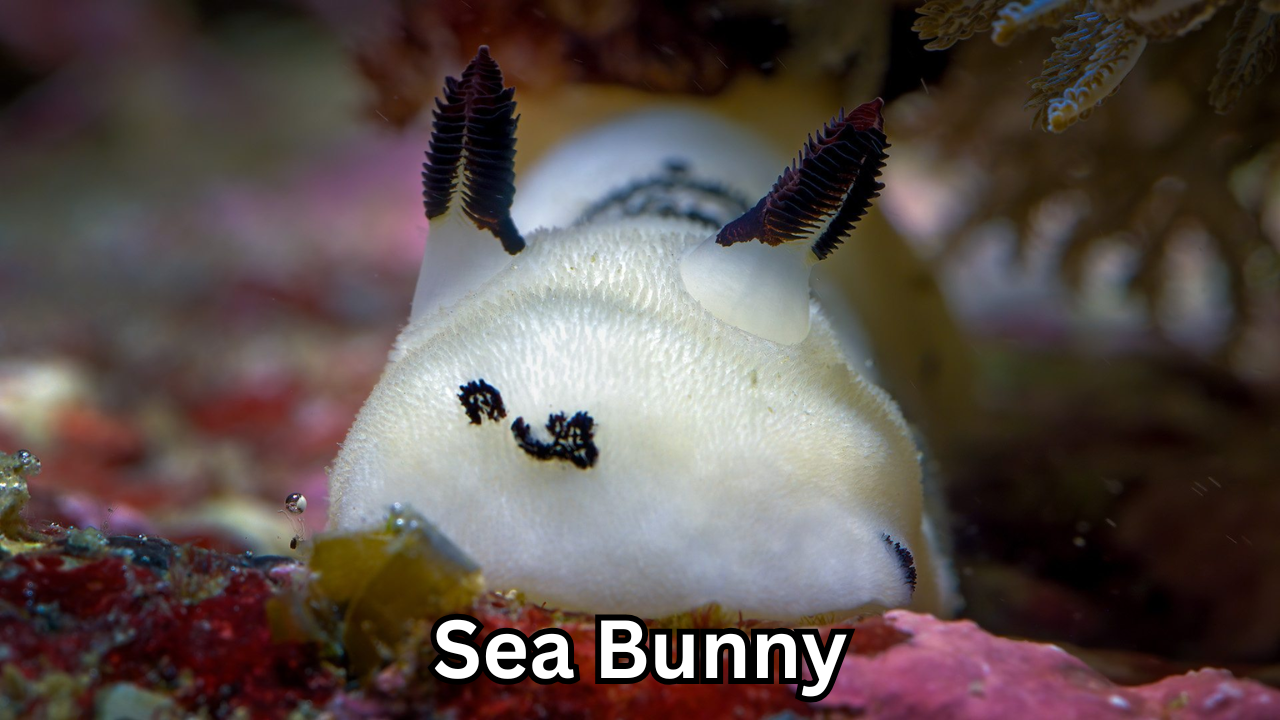
The sea bunny is one of the ocean’s most charming discoveries, captivating people worldwide with its soft appearance and gentle movements that resemble a tiny rabbit gliding underwater. While its look feels almost fictional, this marine creature is very real and scientifically fascinating, earning attention not because of hype but because of its unique biological design and ecological role.
Beneath the cute nickname lies a complex organism shaped by evolution, Survival, and environmental balance. This article explores its true identity, natural behaviour, and scientific value—without exaggeration—while explaining why responsible curiosity matters more than viral fame.
Understanding Its True Identity
Despite the playful name, this Animal is a nudibranch, a shell-less sea slug belonging to the gastropod mollusc family. Nudibranchs are known among marine scientists for their vivid colours, unusual textures, and specialised Survival strategies. This particular species is most often associated with the genus Jorunna and is commonly found in parts of the western Pacific Ocean.
Its small size, rounded body, and fuzzy surface make it visually distinctive, but these features are not accidental. They serve sensory and defensive functions that help the animal survive in competitive underwater environments.
Sea Bunny Habitat and Distribution
The sea bunny thrives in shallow coastal waters, especially around rocky reefs and coral-rich seabeds. These areas provide shelter, food sources, and protection from strong currents. It prefers clean, oxygen-rich water and is most commonly found in regions near Japan, Indonesia, and the surrounding Indo-Pacific.
Because it lives close to the ocean floor and blends easily with its surroundings, it often goes unnoticed. Sightings usually occur during scuba dives or through macro underwater photography, which explains why it remained largely unknown to the general public for so long.
Why It Looks Like a Bunny
Its resemblance to a rabbit is due to rhinophores—two antenna-like sensory organs on its head that look like ears. These structures help detect chemical signals in the water, guiding the animal toward food and away from danger.
The fuzzy texture covering its body is caused by tiny structures called caryophyllidia. These are not decorative; they assist with environmental sensing and may help deter predators. What humans perceive as cuteness is actually a sophisticated biological toolkit.
Feeding Behaviour and Diet
This nudibranch feeds mainly on marine sponges. While sponges may seem harmless, many contain toxic compounds. The animal has evolved to tolerate and safely process these chemicals.
In some cases, it stores toxins within its tissues, making it unpleasant or even dangerous to predators. This feeding strategy eliminates the need for speed or physical armour, allowing it to survive despite its slow movement.
Natural Defence Without Aggression
Rather than attacking or fleeing, this creature relies on passive defence mechanisms. Chemical deterrence is its primary form of protection, discouraging predators from taking a second bite.
Its colouration can also act as a subtle warning signal. In nature, bright or unusual colours often indicate toxicity, and predators learn to associate those visual cues with negative experiences.
Role in the Marine Ecosystem
Every organism plays a part in maintaining ecological balance. By feeding on sponges, this nudibranch helps regulate sponge populations that might otherwise overwhelm coral reefs.
At the same time, it serves as a food source for specialised predators that can tolerate its chemical defences. This interaction supports biodiversity and keeps marine ecosystems functioning smoothly.
Scientific Importance Beyond Appearance
The sea bunny is valuable to scientific research because nudibranchs provide insight into chemical defence systems, sensory evolution, and marine adaptation. Some compounds found in related species are being studied for potential medical applications, including antimicrobial and anticancer research.
Its sensory organs also help scientists understand how marine animals navigate and communicate in low-visibility environments, making it more than just a visual curiosity.
Internet Fame and Public Fascination
Social media has played a significant role in popularising this animal. Short videos and photographs highlighting its gentle movements often go viral, introducing millions to a species they had never seen before.
While increased visibility can spark interest in marine biology, it also creates risks. Misleading captions, exaggerated claims, or attempts to handle wild specimens can harm both the animal and its habitat.
Ethical Wildlife Appreciation
Admiring marine life comes with responsibility. Removing nudibranchs from their environment, even briefly, can cause stress or death due to changes in temperature, salinity, or oxygen levels.
Marine experts emphasise observation without interference. Ethical appreciation includes supporting ocean conservation efforts, sharing accurate information, and respecting wildlife boundaries.
Common Myths and Misunderstandings
Because of its appearance, some people assume this animal is fragile or rare. While it is small and delicate, it is well-adapted to its environment and not as scarce as social media sometimes suggests.
Others believe it is newly discovered, when in fact scientists have documented and studied it for years. The recent attention reflects improved media exposure, not sudden emergence.
Environmental Threats to Its Survival
Although not currently endangered, this species is indirectly affected by ocean pollution, coral reef degradation, and climate change. Rising sea temperatures and chemical runoff can disrupt sponge populations and damage reef habitats.
Protecting marine ecosystems benefits countless organisms, including nudibranchs, fish, corals, and microorganisms that depend on stable conditions to survive.
A Gentle Lesson From the Ocean
The sea bunny teaches an important lesson about nature’s quiet brilliance. Not all extraordinary creatures are large, powerful, or dramatic. Some survive through subtle design, balance, and adaptation.
By appreciating this small marine animal responsibly, we support a broader respect for ocean life. True wonder does not require exaggeration—only understanding, care, and the willingness to protect what makes our planet diverse and alive.
Also Read: Unblocked Games 77: The Ultimate Safe and Positive Guide for Endless Fun
One thought on “Sea Bunny: An Astonishingly Adorable Wonder of Marine Life”
Comments are closed.